Did you know that 91% of pages get zero organic search traffic from Google? The difference between successful and failed content often comes down to one critical factor: keyword research.
Currently, the keyword research landscape has evolved dramatically with AI-powered search engines and Large Language Models (LLMs) fundamentally changing content discovery.
This comprehensive guide reveals the top keyword research tools that will help you dominate search rankings, whether you’re targeting traditional search engines or optimizing for AI systems like ChatGPT and Google’s AI Overviews.
Why Keyword Research Has Changed in this AI Era
The digital marketing world experienced a seismic shift in 2025. Traditional SEO still matters, but AI-powered search platforms now capture significant market share.
Google’s AI Overviews appear for over 13.14% of queries (up from 6.49% in January 2025), while zero-click searches continue growing.
This evolution means modern keyword research must serve two masters: traditional search algorithms and AI systems that use chunk-level content retrieval through Retrieval Augmented Generation (RAG).
- Why Keyword Research Has Changed in this AI Era
- 1. Semrush: The Industry Leader
- 2. Ahrefs: Data Accuracy Champion
- 3. SE Ranking: Best Value for Money
- 4. Moz Keyword Explorer: Priority-Based Research
- 5. Mangools KWFinder: Beginner-Friendly Excellence
- Best For: SEO beginners and local businesses
- 6. Google Keyword Planner: The Accuracy Standard
- 7. Ahrefs Free Keyword Generator: Premium Features for Free
- 8. AnswerThePublic: Question-Based Keyword Discovery
- 9. ChatGPT: The AI Research Assistant
- 10. LowFruits: AI-Powered Low-Competition Discovery
- Understanding LLM Content Selection
- Entity-Based Optimization Strategies
- Structured Data Implementation
- AI Overviews Expansion
- Voice Search Optimization
- Community and Social Search
- Step 1: Hybrid Tool Approach
- Step 2: Search Intent Classification
- Step 3: Content Gap Analysis
- Step 4: Technical Implementation
- Content Quality Framework: E-E-A-T Optimization
- Experience Demonstration
- Expertise Establishment
- Authoritativeness Building
- Trustworthiness Signals
- Future-Proofing Your Keyword Strategy
- Emerging Technologies to Monitor
- Continuous Optimization Framework
- Conclusion: Your Keyword Research Action Plan
Disclosure: This post may contain affiliate links. This means if you click on one of the links and purchase anything I may receive some affiliate commission at no extra cost to you. Thanks in advance for your support.
Premium Keyword Research Tools: Enterprise Solutions
1. Semrush: The Industry Leader

Best For: Enterprise-level SEO campaigns and comprehensive competitor analysis
Semrush maintains its position as the #1 keyword research tool among SEO professionals. The platform’s Keyword Magic Tool generates thousands of keyword suggestions with granular metrics including search volume, keyword difficulty, and competitive density.
Key Features:
- Access to over 20 billion keywords across 142 countries
- Keyword Gap tool for competitive analysis
- Advanced filtering options (intent, volume, difficulty)
- Content creation workflow integration
- SERP feature tracking
Pricing: $139.95–$499.95/month (annual plans offer 17% savings)
Pros:
- Most comprehensive keyword database
- Excellent competitor research capabilities
- Regular data updates
- Robust reporting features
Cons:
- Steep learning curve for beginners
- Higher price point
- Can be overwhelming for small businesses
2. Ahrefs: Data Accuracy Champion
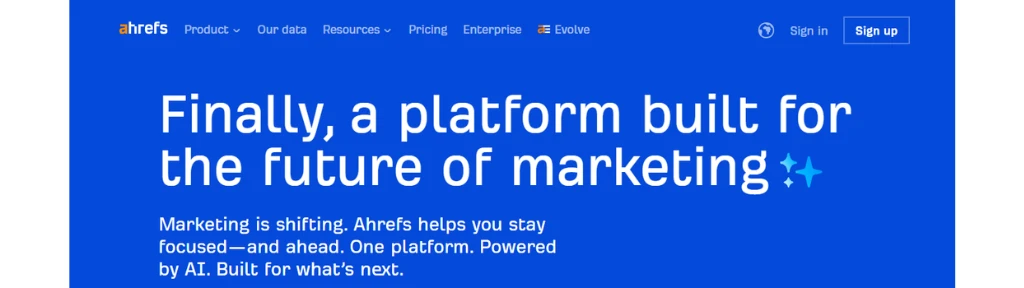
Best For: Content marketers focused on competitor analysis and backlink research
Ahrefs provides exceptionally accurate data from over 10 search engines and maintains one of the largest keyword databases with 12+ billion keywords.
Its Keywords Explorer excels at competitive analysis and offers detailed SERP analysis capabilities.
Key Features:
- Keywords Explorer with difficulty scoring
- Content gap analysis
- SERP overview with ranking history
- Integration with Site Explorer for comprehensive site analysis
- Click metrics and return rate data
Pricing: $129–$449/month depending on plan tier (annual plans offer 17% savings)
Pros:
- Highly accurate search volume data
- Excellent keyword difficulty assessment
- Strong competitor analysis features
- Intuitive user interface
Cons:
- Limited free features
- Expensive for individual users
- Learning curve for advanced features
3. SE Ranking: Best Value for Money
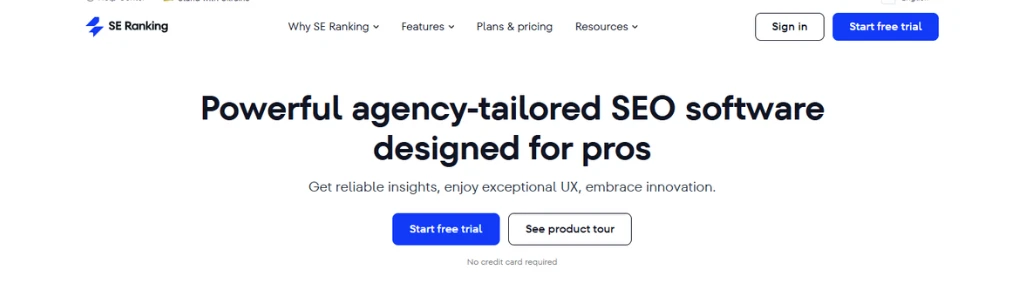
Best For: Small to medium businesses seeking comprehensive SEO tools
SE Ranking offers exceptional value with comprehensive keyword research capabilities, competitive analysis tools, and keyword grouping features. The platform provides data from 6.7 billion keywords across 190 locations.
Key Features:
- Keyword clustering and grouping
- Local keyword research capabilities
- Rank tracking integration
- White-label reporting
- API access for custom integrations
Pricing: $65–$259/month (significant annual discounts available)
Pros:
- Excellent price-to-feature ratio
- Strong local SEO capabilities
- User-friendly interface
- Comprehensive reporting
Cons:
- Smaller keyword database than premium competitors
- Limited advanced filtering options
- Fewer third-party integrations
Mid-Range Keyword Research Solutions
4. Moz Keyword Explorer: Priority-Based Research

Best For: SEOs focused on keyword prioritization and opportunity assessment
Moz Keyword Explorer provides unique metrics including Organic CTR (opportunity score), Difficulty, and Priority scores that help prioritize keyword targeting decisions. Access over 1.25 billion keyword suggestions with comprehensive SERP analysis.
Key Features:
- Unique Priority score combining multiple metrics
- Organic CTR opportunity assessment
- SERP analysis with ranking factors
- Keyword lists and campaign organization
- Free daily searches (2 without account, 7 with free account)
Pricing: $99–$299/month
Pros:
- Unique prioritization metrics
- Strong SERP analysis
- Good free tier
- Excellent educational resources
Cons:
- Smaller keyword database
- Limited competitor analysis
- Higher cost per feature compared to alternatives
5. Mangools KWFinder: Beginner-Friendly Excellence
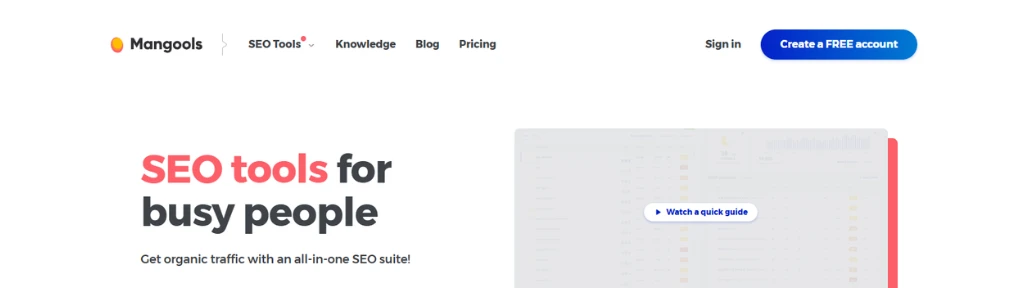
Best For: SEO beginners and local businesses
KWFinder stands out for its intuitive interface and beginner-friendly approach. Supporting 52,000+ locations and 15+ languages, it excels at local SEO research with clear keyword difficulty scores.
Key Features:
- Intuitive, clean interface
- Local SEO optimization tools
- Clear keyword difficulty visualization
- Integration with other Mangools tools
- Historical search volume data
Pricing: $24.5–$64.5/month (annual plans available)
Pros:
- Extremely user-friendly
- Strong local SEO features
- Accurate difficulty scores
- Affordable pricing
Cons:
- Limited advanced features
- Smaller keyword database
- Basic competitor analysis
Free Keyword Research Tools: Budget-Friendly Options
6. Google Keyword Planner: The Accuracy Standard
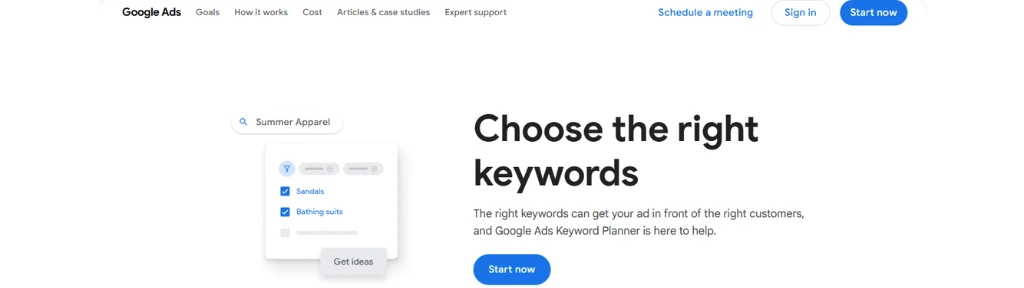
Best For: Google Ads campaigns and accurate search volume data
Google Keyword Planner remains the most accurate source for search volume data since it comes directly from Google. While designed for Google Ads, it’s completely free and provides reliable volume estimates and competition levels.
Key Features:
- Direct Google search volume data
- Competition level indicators
- Bid suggestion estimates
- Keyword forecasting tools
- Geographic and demographic targeting
Pricing: Free (requires Google Ads account)
Pros:
- Most accurate search volume data
- Completely free
- Direct integration with Google Ads
- Historical performance data
Cons:
- Limited to Google data only
- Requires Google Ads account
- Basic keyword suggestions
- No competitor analysis
7. Ahrefs Free Keyword Generator: Premium Features for Free

Best For: Content ideation and question-based keyword research
Ahrefs’ free tool offers up to 20 keyword ideas per search with basic difficulty scores. It provides question-based keywords also, making it excellent for content ideation.
Key Features:
- 20 keyword suggestions per search
- Question-based keyword generation
- Basic keyword difficulty scores
- Related terms suggestions
- No account required
Pricing: Free
Pros:
- High-quality keyword suggestions
- Question-based keywords for content ideas
- No registration required
- Reliable difficulty scores
Cons:
- Limited searches per day
- No historical data
- Basic filtering options
- No competitor analysis
8. AnswerThePublic: Question-Based Keyword Discovery

Best For: FAQ content creation and understanding user intent
AnswerThePublic specializes in question-based keywords, generating hundreds of question variations that users commonly search for. This tool excels at creating FAQ content and understanding user intent patterns.
Key Features:
- Question-based keyword generation
- Preposition and comparison queries
- Alphabetical keyword suggestions
- Visual keyword maps
- Search volume integration (paid plans)
Pricing: Free tier available; paid plans ranges from $49 – $99/month
Pros:
- Excellent for content ideation
- Visual keyword representation
- Strong question-based research
- Good free tier
Cons:
- Limited search volume data on free plan
- No difficulty metrics
- Basic competitor insights
- Limited filtering options
AI-Powered Keyword Research Tools: The Future of SEO
9. ChatGPT: The AI Research Assistant
Best For: Keyword ideation, clustering, and intent analysis
ChatGPT has emerged as a powerful keyword research assistant, capable of generating seed keywords, categorizing keywords by intent, and creating keyword clusters. Its natural language processing excels at understanding context and user intent.
Effective ChatGPT Prompts for Keyword Research:
- “Generate 50 long-tail keywords for [your topic] with different search intents”
- “Cluster these keywords by search intent: [paste keyword list]”
- “What are the main sub-topics someone researching [main topic] would be interested in?”
- “Create a semantic keyword map for [topic] including entities and related concepts”
Key Features:
- Natural language keyword generation
- Intent-based keyword clustering
- Semantic keyword relationships
- Content gap identification
- Multi-language support
Pricing: Free tier available; ChatGPT Plus at $20/month
Pros:
- Excellent for ideation and clustering
- Understands context and intent
- Generates creative keyword variations
- Helpful for content planning
Cons:
- No search volume data
- No difficulty metrics
- Requires verification of suggestions
- Limited to training data knowledge
10. LowFruits: AI-Powered Low-Competition Discovery

Best For: Finding low-competition keywords and weak SERP analysis
LowFruits uses advanced algorithms to identify low-competition keywords and weak spots in search results. It reveals user-generated content (UGC) sites and weak competitors that can be easily outranked.
Key Features:
- SERP weakness analysis
- Low-competition keyword identification
- Bulk keyword import capabilities
- Keyword clustering by intent
- Competitor strength assessment
Pricing: $29.9–$79.9/month with yearly options available
Pros:
- Excellent value for money
- Strong low-competition focus
- Fast SERP analysis
- Bulk keyword processing
Cons:
- Limited keyword database
- Basic reporting features
- Newer tool with limited track record
- Limited advanced filtering
Optimizing for AI and LLM Discovery
Understanding LLM Content Selection
Large Language Models use Retrieval Augmented Generation (RAG) to access real-time web information, fundamentally changing content selection criteria. Unlike traditional search engines ranking entire pages, LLMs use chunk-level retrieval, extracting specific content sections that best answer queries.
Entity-Based Optimization Strategies
Successful LLM optimization requires:
1. Clear Entity Identification
- Define primary entities (people, places, things, concepts)
- Establish entity relationships within content
- Use structured data markup (Schema.org)
- Create entity-focused content clusters
2. Contextual Relevance
- Surround entities with relevant context
- Use natural language variations
- Include synonyms and related terms
- Maintain semantic consistency
3. Self-Contained Content Sections
- Make each section semantically complete
- Avoid cross-references for key information
- Use descriptive headings
- Include supporting data in each section
Structured Data Implementation
JSON-LD markup significantly improves AI comprehension:
{
  "@context": "https://schema.org",
  "@type": "Article",
  "headline": "Best Keyword Research Tools in 2025",
  "author": {
    "@type": "Person",
    "name": "[Author Name]"
  },
  "publisher": {
    "@type": "Organization",
    "name": "[Site Name]"
  },
  "mainEntity": [
    {
      "@type": "Thing",
      "name": "Keyword Research Tools",
      "description": "Software applications for finding and analyzing search terms"
    }
  ]
}
New Search Trends Shaping Keyword Strategy
AI Overviews Expansion
Google’s AI Overviews now appear for 13.14% of queries, requiring optimization for:
- Featured snippet formats
- Direct answer structures
- Comprehensive, authoritative content
- Question-answer pairs
Voice Search Optimization
Smart device proliferation demands focus on:
- Conversational keyword phrases
- Question-based content structure
- Local intent optimization
- Long-tail keyword variants
Community and Social Search
Platforms like Reddit and TikTok become search alternatives, requiring:
- Platform-specific keyword research
- Community language understanding
- Multi-platform content strategy
- Social listening integration
Advanced Keyword Research Methodology
Step 1: Hybrid Tool Approach
Combine traditional and AI-powered tools:
- Primary Research: Use Semrush/Ahrefs for volume and competition data
- AI Enhancement: Leverage ChatGPT for ideation and clustering
- Gap Analysis: Identify content opportunities competitors miss
- Intent Mapping: Categorize keywords by user intent stages
Step 2: Search Intent Classification
Modern keyword research requires understanding four intent types:
Informational Intent (70% of searches)
- “How to” queries
- Definition searches
- Tutorial requests
- Comparison research
Navigational Intent (10% of searches)
- Brand name searches
- Specific website/page queries
- Login or account access
Commercial Investigation (10% of searches)
- Product comparison searches
- Review and rating queries
- “Best of” searches
- Vendor research
Transactional Intent (10% of searches)
- Purchase-focused queries
- Service booking searches
- Download requests
- Subscription signups
Step 3: Content Gap Analysis
Identify opportunities competitors miss:
- Competitor Content Audit: Analyze top 10 ranking pages
- Question Mining: Find unanswered user questions
- Subtopic Discovery: Identify missing content angles
- Format Gaps: Find opportunities for different content types
Step 4: Technical Implementation
Ensure proper technical foundation:
- Site Speed: Core Web Vitals compliance
- Mobile Optimization: Mobile-first indexing readiness
- Structured Data: Schema markup implementation
- Internal Linking: Semantic linking strategy
Content Quality Framework: E-E-A-T Optimization
Experience Demonstration
- Share personal insights and case studies
- Include real-world examples and results
- Show hands-on tool usage
- Provide actionable, tested strategies
Expertise Establishment
- Demonstrate deep knowledge of keyword research
- Use industry terminology correctly
- Reference authoritative sources
- Share advanced techniques and insights
Authoritativeness Building
- Include author credentials and bio
- Link to authoritative external sources
- Earn quality backlinks from industry sites
- Maintain consistent, high-quality publishing
Trustworthiness Signals
- Provide accurate, up-to-date information
- Include contact information and policies
- Use HTTPS and security certificates
- Maintain transparent business practices
Future-Proofing Your Keyword Strategy
Emerging Technologies to Monitor
1. Multimodal Search
- Image and video search integration
- Voice and visual query combinations
- Cross-platform search experiences
2. Personalization Advances
- AI-driven personal search results
- Context-aware keyword targeting
- Individual user journey optimization
3. Real-Time Search Evolution
- Live content integration
- Social signal incorporation
- Trend-based keyword opportunities
Continuous Optimization Framework
Monthly Reviews:
- Analyze keyword ranking performance
- Update search volume and competition data
- Review AI Overview appearance rates
- Adjust content based on performance metrics
Quarterly Audits:
- Comprehensive competitor analysis
- Content gap reassessment
- Tool effectiveness evaluation
- Strategy refinement based on industry changes
Annual Strategy Reviews:
- Complete methodology assessment
- Tool stack optimization
- Budget allocation review
- Long-term goal alignment
Note:
The pricing information for these platforms may be subject to change over time. Therefore, we recommend checking their respective websites for the most up-to-date and accurate information regarding pricing.
- Also note that the information may have changed since the publication.
Conclusion: Your Keyword Research Action Plan
The keyword research landscape demands a sophisticated, multi-faceted approach. Success requires balancing traditional SEO principles with AI optimization strategies while maintaining focus on user value and content quality.
Your immediate action steps:
- Choose Your Primary Tool: Select a premium tool (Semrush, Ahrefs, or SE Ranking) based on your budget and needs
- Supplement with AI: Integrate ChatGPT or other AI tools for enhanced ideation
- Implement Structured Data: Add Schema markup to improve AI comprehension
- Focus on Intent: Prioritize search intent over simple keyword matching
- Monitor Performance: Track both traditional rankings and AI Overview appearances
The future belongs to marketers who understand both human search behavior and AI content selection criteria. By following this comprehensive guide and continuously adapting to emerging trends, you’ll maintain competitive advantage in the evolving search landscape.
Remember: successful keyword research isn’t just about finding the right keywords — it’s about understanding your audience deeply enough to create content that serves their needs while satisfying both traditional search algorithms and AI systems.
Ready to dominate search rankings? Start by choosing the right keyword research tool from this guide, then implement the AI optimization strategies to future-proof your content strategy. Your competitors are already adapting — make sure you’re ahead of the curve.